
Pads, aprons, side slabs
Flatwork for Worth Homes and Lots
The everyday slabs every property needs, poured so they stay flat and drain the way they should.
Small Slabs Deserve the Same Groundwork
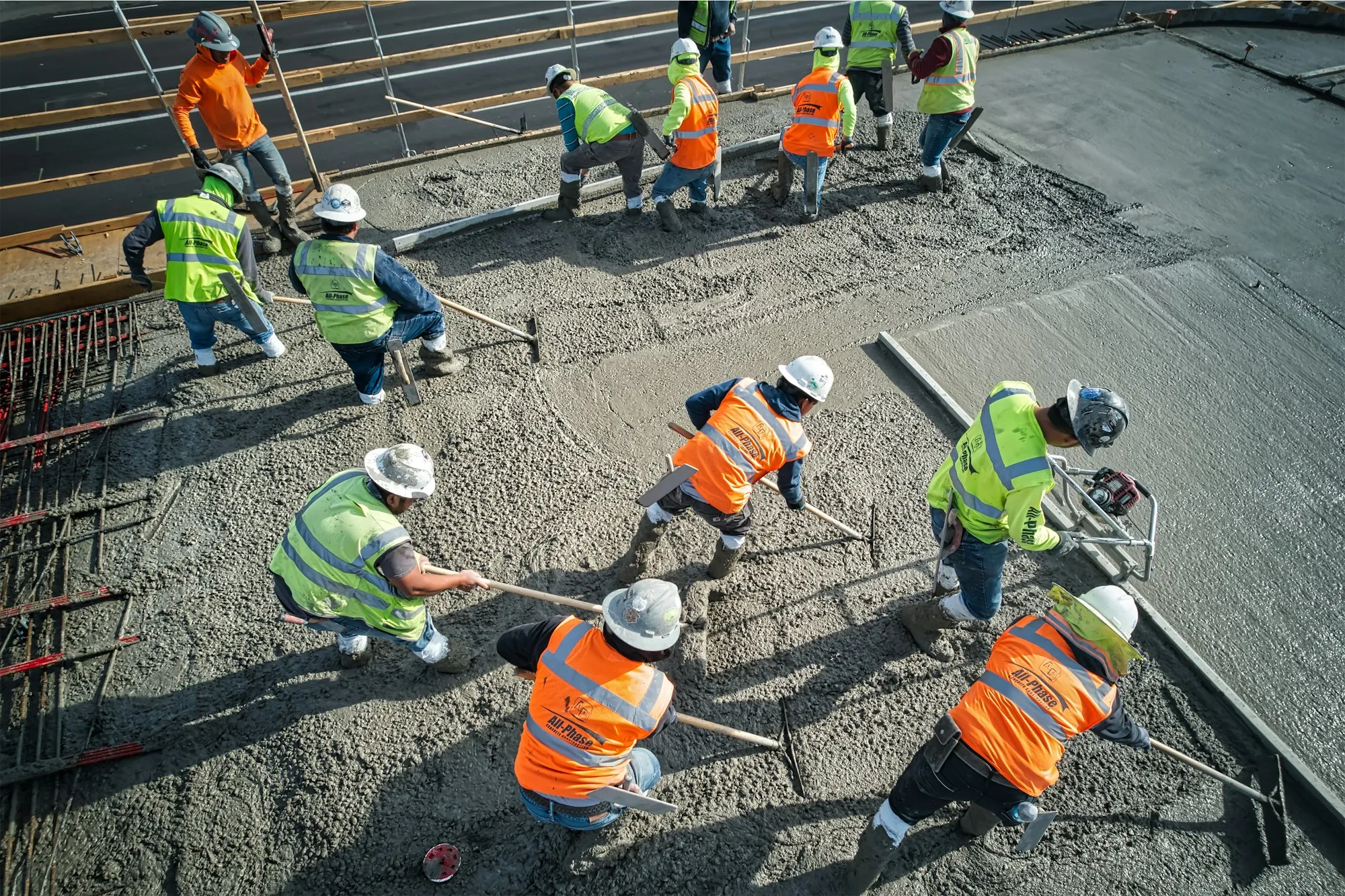
It is tempting to treat a pad for a shed or a strip of concrete beside the garage as a quick afternoon job, and that is usually why those slabs end up rocking, tipping or holding a puddle after every storm. The honest truth is that a small slab fails for the same reasons a big one does: the soil under it was soft, the stone was skipped or never compacted, or the pour was too thin for what ended up sitting on it. So we treat it the same way. If there is an old pad, we look at it first and tell you plainly whether it has settled beyond saving or just looks worn. When it needs to go, we break it out and haul it off, dig down to firm ground, bring in crushed stone and pack it in layers, then set forms with a slight fall so water runs off one edge. Thickness and reinforcement follow the load, the surface gets a texture suited to its use, and control joints go in before shrinkage can crack the slab on its own terms. Lots in Worth tend to be compact, so we also plan carefully where the truck sits and how concrete reaches the back.
Pieces of a Flatwork Job
The size changes from pour to pour. The groundwork does not.
A frank first look
If something is already there, you hear whether it really needs replacing before we price anything.
Break-out and removal
Failed concrete is cut, lifted out and taken away rather than buried on site.
Digging to firm soil
Topsoil and soft clay come out until the ground underneath can hold a load.
Packed stone layer
Crushed stone is spread and run over with a compactor in passes, not just raked flat.
Forms with fall
Boards set so the slab sheds water toward a safe spot, not toward a foundation wall.
Steel when it earns its place
Mesh or bar added where weight or questionable soil makes it worthwhile.
Surface for the purpose
A brushed texture where people walk, a tighter trowel where equipment sits.
Tooled joints and edges
Joints placed to control shrinkage and edges rounded so they resist chipping.
From the First Call to a Usable Slab
Talk and assess
You describe the spot and what will sit there. We come out, measure, check drainage and, if there is old concrete, tell you straight whether it should stay or go.
Groundwork
Removal, excavation and a compacted stone base, followed by forms set to the planned slope and any reinforcement the slab calls for.
Pour, cure, tidy up
We screed and texture the pour, saw the joints and blanket it while it gains strength. Then the boards come off and soil gets raked against the new edges.
Why Our Pads Stay Level
Depth matched to weight
A pad for a lawn tractor and one for a hot tub do not need the same slab, and we do not pretend they do.
Advice before a sales pitch
If your existing slab only needs to be left alone, that is what we tell you.
Nothing left behind
Broken concrete, form boards and leftover stone all leave the property with us.
- Honest keep-or-replace call
- Stone packed in passes
- Slope set before the pour
- Debris hauled off
Somewhere Out Back Needs a Pad?
Tell us where it goes and what it has to hold. We can talk through size and depth on the phone and come measure when it suits you.